Community-driven Editor Contrasts Algorithms With Newsroom Pursuit of the Truth
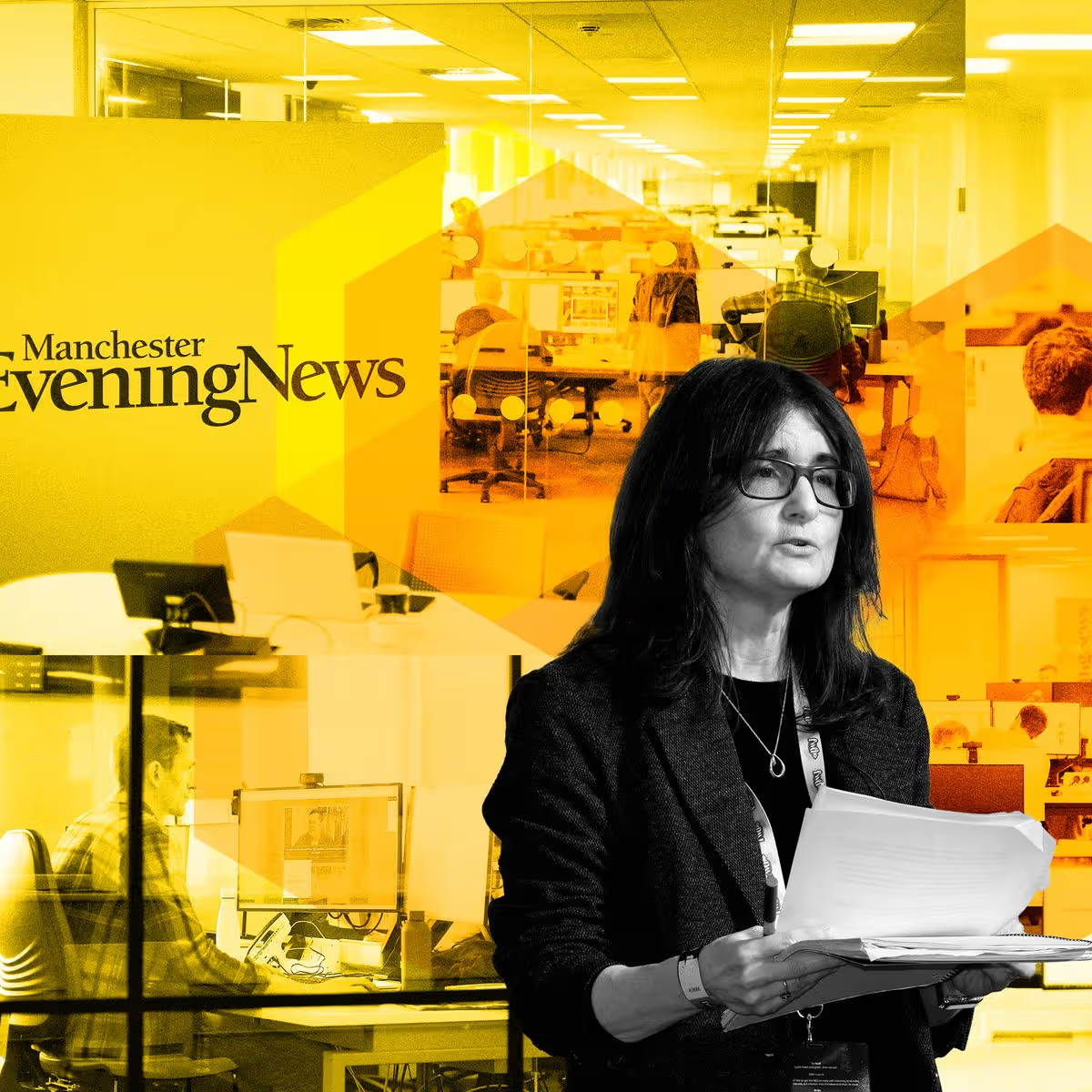
A sober and powerful account of how global digital platforms have dragged down knowledge about important local issues was given by Sarah Lester, Editor-in-Chief of the Manchester Evening News (MEN) last night (November 3, 2026). Despite numerous examples of how her news reporters had made a positive difference to the lives of people in the region, they were battling against platform amplification of hate-provoking falsehoods.
Good journalism ‘changes lives’, she told attendees at the annual launch of the Journalism Matters campaign in London, organised by the News Media Association.
Speaking to politicians and news industry figures gathering in the Houses of Parliament, she said: ‘The question, now that our industry is under threat from so many directions, is whether as a society we’re prepared to defend it, and to defend it not simply with kind words, platitudes, expressions of support, but with tangible actions that ensure journalism has a future. At the Manchester Evening News, we see every day what trusted local journalism can achieve.’
But she added: ‘I think journalism is in a very perilous position and we’re in danger of sleepwalking into losing something absolutely fundamental to our democracy.’
Addressing the economic realities at a time of digital platform dominance she said:
‘Why should unregulated non-UK tech platforms have such power over what people see, even when they’re actually actively looking for news? And this isn’t just about visibility. The economics are just as troubling.’ She said publishers had built digital businesses around platforms in the belief that ‘the platforms would encourage people to click through to our journalism. Now these same platforms increasingly summarise our work, keeping users on their own services rather than sending them to the original reporting.’
‘The value is taken from the journalism while the business model that pays for it is completely undermined. I often think that the way this information ecosystem works, with algorithms controlled by different global tech giants deciding what the unwitting public sees, would have even blown the mind of former Manchester Evening News writer George Orwell.’
Referencing the work of her newsroom staff out in the field (what the News Media Coalition calls Primary Source Journalists) she said: ‘Senior police and council leaders regularly tell us that our reporting has calmed communities and helped prevent disorder in ways that other systems cannot. The role journalism plays in these circumstances is just not a luxury.’
‘In an information environment flooded with unverified claims and AI slop, access to accurate information is essential to the functioning of our society. We’re also seeing the consequences of a world in which anyone can claim to be a journalist without accepting the responsibilities that should come with that. Some online content creators do excellent work, but we’ve also seen self-styled auditors filming Nicola Bulley’s body being pulled from the river, or turning up at the synagogue attack to livestream grieving relatives and harass our reporters on the ground. This is what would likely fill the void if we weren’t there. Professional journalism means verification, accountability, and a duty to the public.’
She concluded: ‘we need the government to recognise that vibrant local journalism is not an optional extra and definitely not a luxury. We need a fairer relationship between publishers and digital platforms.’