Fearless journalism, the Westminster bubble and veiled warnings on regulation
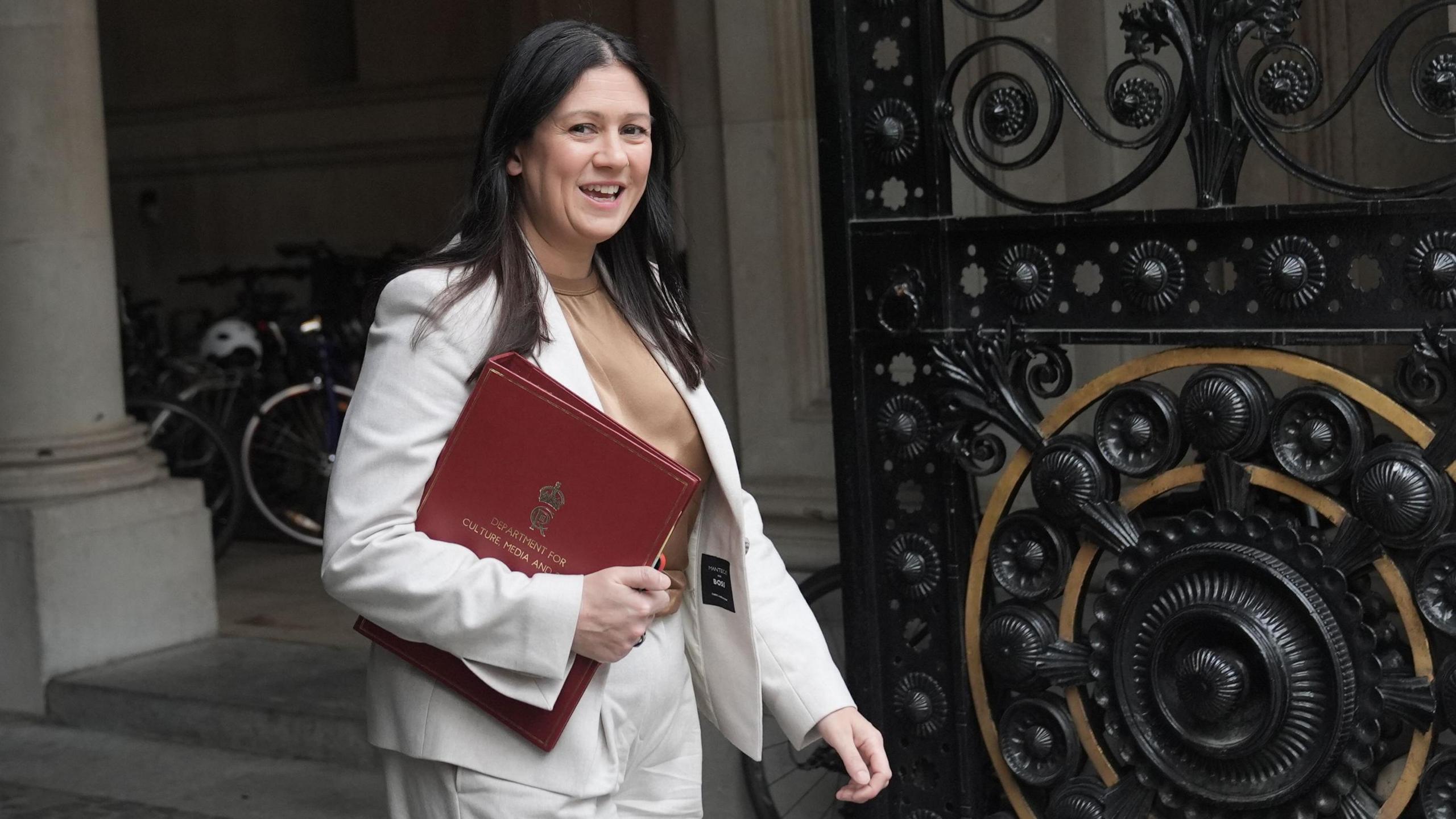
Quality journalism that serves all citizens and communities of interest is required more than ever at a time of disinformation, algorithm-driven misogyny and fragile trust in media generally. In a wide-ranging keynote address to the Society of Editors’ annual conference, the country’s Secretary of State for Culture, Media and Sport said: ‘Whether it’s independent news, free and fearless journalism, or great entertainment and storytelling, which helps to shape and define us as a nation as we shape and define it, it’s my belief that the media is an essential part of that civic space, and that we have to nurture it, and we have to support it.’
Lisa Nandy added: ‘For people to trust one another, there has to be shared understanding, shared facts, shared moments, shared experiences. This is the meeting point, the common ground, the ability to understand one another on which our country is built.’
On the relationship between technology and the media, Nandy was direct: ‘We’re navigating a storm, and we will continue to do so until we work out not how to stop change, but how to find order in the chaos and put the technology in our service, not us in its.’ She confirmed a new government intervention targeting young men to help them understand how platform algorithms shape the content they are served — part of a wider effort to counter what she called ‘appalling misogyny’ disseminated through online networks. On AI, she acknowledged in the conference Q&A that the government had ‘heard loud and clear the responses to the consultation and the serious challenges that the current situation poses to the publishing industry in particular and the creative industries in general.’
Despite the turbulence, Nandy was notably optimistic about audience appetite for quality. Around 30% of people who do not follow the news cite trust as their primary reason for tuning out, she noted, yet evidence points to a growing market for trusted current affairs. ‘High-quality journalism, underpinned by robust standards, is more important than ever,’ she said, pointing to investigative reporting on infected blood, the Horizon scandal and revelations about MPs’ expenses as proof that ‘the clamour for trusted news is getting louder.’
On regulation, Nandy’s tone was carefully calibrated. ‘Media regulation in the UK has evolved with care and caution over many years,’ she said, adding that ‘every government should tread with care when it comes to new regulation.’ To a question from the floor, she was equally measured: ‘I haven’t come here today to announce any kind of new regulation on the press — it is a precious and important thing that fearless journalists can hold government to account.’ She did, however, direct a pointed challenge at editors in the room about IPSO, asserting that only 1% of complaints are upheld and no outlet has ever been fined, and asking plainly whether ‘the system needs to be more robust.’
Nandy closed with a direct challenge to the industry. Editors face a fork in the road — between following ‘the very worst excesses of this new age of mis- and disinformation,’ or upholding ‘the very best of this industry — high standards, trust and integrity.’ Her conclusion was unambiguous: ‘I think the future of our democracy relies on you choosing the latter.’
Extracts from Lisa Nandy’s Keynote Address
Also: First government action plan to back local news — News Media Coalition